Damage rates in the LED Video industry are a major concern for all production companies, rental houses and manufacturers.
This is the first in a 3 part series addressing the causes and prevention of damage. Based on previous LinkedIn discussions, I'm going to break it down into three potential causes, Labor, Manufacturing and Usage.
______________________________________________________________________________________________
I often heard it said that a lack of caring by the new generation of technicians is the cause. Some cite that, since Covid, the majority of good technicians have moved on. I refuse to accept that this is a generational behavior or that every good technician left the industry.
Every technician has a first day, first month, first year, etc. We all develop skills at different rates. If you have no starting point of reference, it's the human condition to not realize that you don't know something.
Similarly, if you have been performing the same task in the same department for an extended period of time with no negative results, it's the human condition you are doing it the correct way.
The only way past these human barriers is through education and the sharing of knowledge and experience.
When I was actively working on shows and touring, I started every day with a brief introductory meeting where I explained to everyone what our goals and timeline were. Part of that introduction included the statement, "I know most of you have done this before. But bear with me, I'm going to show you how I would like it done."
I never blanket assigned roles to people based on their experience. New people weren't automatically relegated to wrangling empties. Rather, it was the technician's responses to my message in that meeting that dictated what tasks they got assigned. You can learn a lot about an individual's personality in 2 minutes.
I believe in people. Most people want to do a good job and feel proud of their work. It is the older generation's job to train and educate those who will carry on and advance the work we've done.
This means that the older generation may have to learn something new as well. I learn from my crews, colleagues, manufacturers, other industries and reading user manuals and technical bulletins.
For the most part, we rate the success of an event based on the happiness of the client.
If we want to make the client happy, we need to minimize extra work onsite including swapping modules or having to "redo" things.
If I'm the lead, the success of the gig begins with my decisions and actions. This means taking time in prep to build and test engineering racks and signal, loom cables, label cases and the like so that my crew can execute the plan with minimal questions.
A major broadcast client of 4Wall's made a point of letting us know that he was impressed with how few module swaps we had to make after the screens were up. He also noted we were the only vendor to finish the job on schedule.
The client's statement was a testament to our QC, prep and on site handling of the equipment.
However, the true success of the show is measured in how the gear returns to the warehouse.
The number one phrase I never want to hear on show site is, "that's shop work."
If it's something we are capable of taking care of on job site and have the time to do, it's not "shop work", it's our responsibility.
It is, in fact, everyone's responsibility to take care of the equipment as well as each other.
Even in my role as Vice President of LED Service for 4Wall, you will still find me rolling up my sleeves to assist with prep, QC or repairs if needed. I have seen our CEO and our Senior VP of Product Strategy do the same. It's one of the reasons I love the culture at 4Wall.
Leading by example is key. If your stagehands see someone who cares about their work and is passionate about the job, they will follow you. Be a confident leader, but don't be elite about your position. Everyone came from somewhere.
If you're a member of the team, listen to your leader. They have thought this through from beginning to end. You may have seen it done differently or, possibly, see a better way. But every action on the day hinges on the success of the previous action and your leader has planned for that.
Be organized. Work neatly. Simple things like having a place to put tie line from cable looms rather than throwing it on the floor can set the tone for how everyone performs on the job. Everyone is a leader and everyone is a follower. We are a team. A clean workspace is a safe workspace.
When I was Master Electrician at the DuPont Theater in Wilmington, Delaware, we were trained that "every accident is preventable."
That doesn't mean accidents won't happen. But understanding the cause and why the accident happened allows you to adjust your behavior and actions in the future to recognize and correct situations that could result in an accident.
Beyond applying this philosophy to accidents, understanding the "why" behind your decisions and actions will make you a better worker and communicator. This goes for team leadership and team members. Listen, evaluate, act.
The number two phrase I never want to hear uttered on show site, "that's just for now."
To quote my friend Abe, "for now is forever." Whenever Abe said this to a technician on show site, unless the technician took the time or was directed to correct the issue, it was still that way on load out.
There is no "just for now." Do it once. Do it right. It's a fantastic motto to keep in your head.
But due diligence doesn't end when the house lights come on. Load out is just as important as the load in.
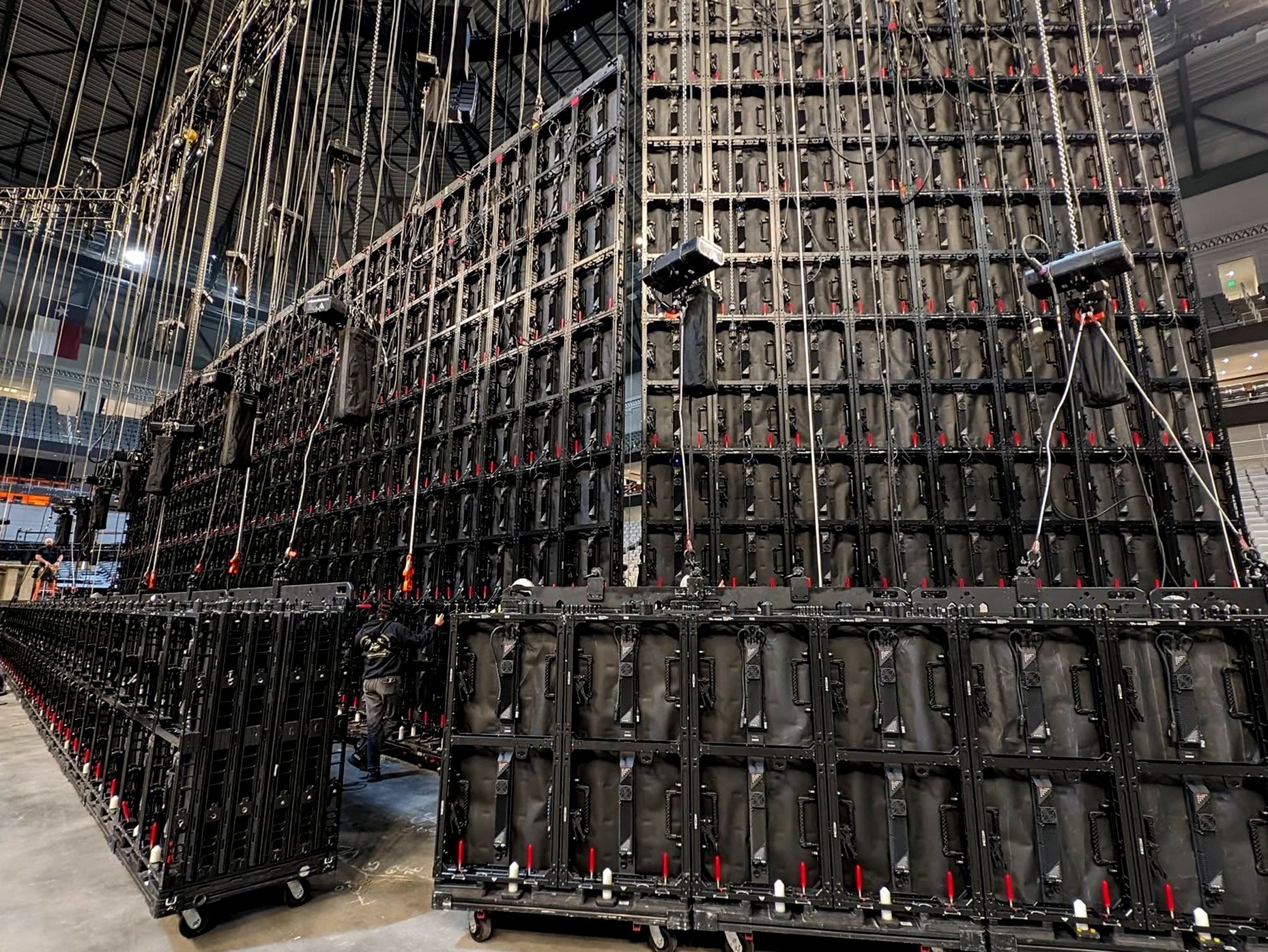
For me, a load out is the same as a prep.
We are prepping the gear for a smooth return, intake, QC and/or repair at the warehouse. Or we are prepping the gear to flip right to another job.
If you're on a tour, every load out is a prep for your next load in!
At the peak of XL Video's output, we were flipping gear from show to show. Often times, the only items returning to the warehouse were items needing repair.
While supervising the crew and managing the load out, as crew chief, I would also be bundling the jumper cables in groups of 10, separating out damaged gear and labeling cases with the contents and any repair needs the equipment might have.
I'm a big fan of sorting and organizing cable on load out for easy identification when it returns to the warehouse. Please don't bury the LED jumper cables at the bottom of a caddy filled with feeder and looms.
The better the gear goes back to the warehouse, the quicker it can be put on your next job in working order.
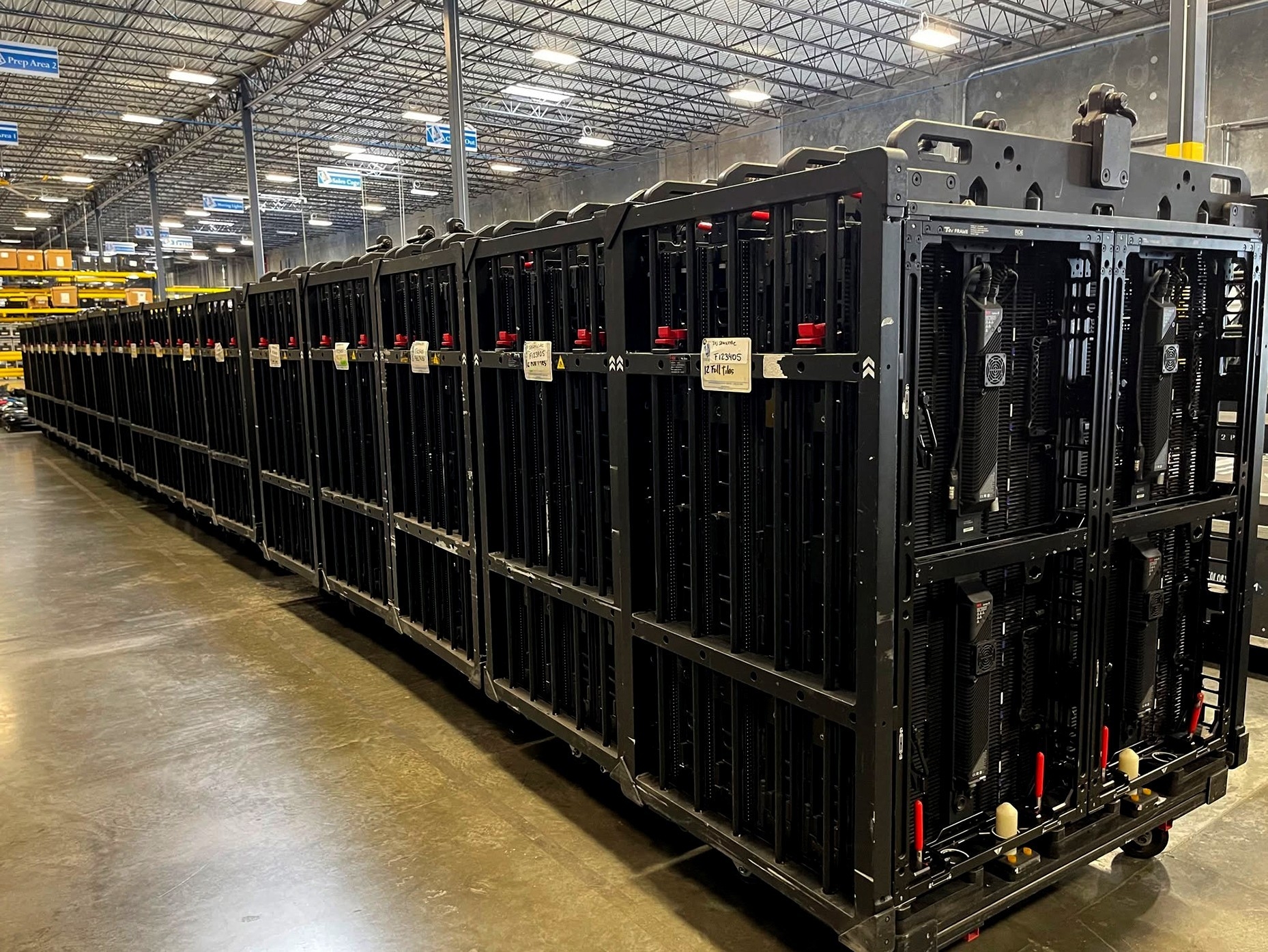
The number three show site pet peeve is labeling gear "NFG." It's the entertainment business and we all love a good "F bomb" every now and then. However, we are professionals and skilled laborers. We can and should present ourselves and the equipment in a better light to our clients and employers.
This doesn't mean that we should swap out "NFG" for simple, creative quips like "needs love", "send back to mama", "is unhappy", etc. Let's give the person receiving the equipment a fair chance at replicating and finding the problem we experienced in the field. Be specific in communicating the issue.
If you couldn't get signal on a specific port on the processor, specify which port you had problems with. Put a piece of gaff tape on the faulty pixel. Label the outside of the case alerting the warehouse that this case contains gear in need of repair.
If there is a major issue with a piece of equipment, let your PM or sales agent know so that they can alert the warehouse team in advance. This equipment might be needed for another show immediately after it is returned.
Never be afraid of reporting damage that occurs or accidents that happen. We have all been there. The chance that you won't be hired again or will get in trouble is very slim to non-existent.
I applaud the responsibility and maturity of the person who is not afraid to admit something went wrong on their watch or that they personally made a mistake. Learn from it and grow. Everyone on the team will learn from it and grow.
If you don't admit to something and someone finds out, you immediately subject yourself doubt and question from that point on. No one wants to be in that position. Honesty is always best.
I hope you find this motivational. Tag 4Wall on social media or connect with me on LinkedIn to let me know your thoughts after reading it. We can all be better together.
About the Author:
Wayne Romanowski brings over two decades of expertise in LED and video technologies, with a current role as Vice President of LED Services at 4Wall Entertainment, overseeing global initiatives in LED solutions. His career spans key positions such as Director of LED Services and Senior LED Engineer, alongside diverse freelance experience with major tours and productions, including Barry Manilow's tour and the Russian Ballet Theatre. Wayne's background blends technical mastery, project management, and leadership, making him a driving force in advancing the industry's LED and video display innovations.